BDI Results: Self-Care for Mild-to-Moderate Depression
Receiving your Beck Depression Inventory (BDI) score can feel like a pivotal moment. You’ve taken a step to understand your feelings, and now you have a number in front of you. But for many, this leads to a critical question: What do I do with this information now?
If your results fall within the mild-to-moderate range, it’s not a final diagnosis, but it is a meaningful signal from your mind and body. It’s an invitation to listen more closely and take proactive steps toward feeling better. This guide is designed to help you do just that.
We will explore practical, evidence-based self-care strategies that can help manage symptoms of low mood and build emotional resilience. Understanding your emotional state is the first step, and tools like a confidential BDI test can provide valuable insight. If you haven't taken the test yet or want a baseline, you can start your self-assessment to gain clarity.
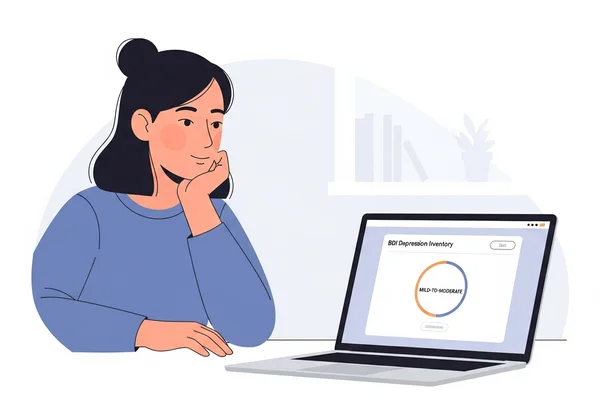
Understanding Your Mild-to-Moderate BDI Results
A BDI score is a snapshot of your emotional health over the past week. It measures the intensity of common depressive symptoms. Think of a mild or moderate score not as a label, but as a "check engine" light for your well-being. It’s an indicator that some of your emotional systems need attention and care.
What Do Mild BDI Scores Truly Indicate?
A mild BDI score typically signals ongoing low mood or sadness. You might notice less joy in hobbies that used to excite you. You might feel more tired than usual, find it harder to concentrate, or be harder on yourself than usual. These feelings are real and valid, but they don't have to define your life.
A mild score suggests that while you are experiencing emotional distress, you are likely still managing your daily responsibilities. It’s the perfect time to introduce positive coping strategies and self-care routines. Recognizing these signs early is a sign of self-awareness and strength.
Why Early Action for Low Mood Matters
Addressing low mood when it's in the mild or moderate stage is incredibly effective. Just as you’d rest a sprained ankle to prevent a more serious injury, tending to your mental health early can stop symptoms from escalating.
Taking proactive steps does more than just manage current feelings; it helps you build a toolkit of healthy habits and coping mechanisms. This empowers you to navigate future challenges with greater resilience. It’s not about "fixing" a problem, but about nurturing your overall well-being for the long term.
Practical Self-Care Strategies for Mild BDI Symptoms
Self-care isn’t about grand gestures. It's about the small, consistent actions that signal to your brain and body that you are a priority. Here are some simple yet powerful strategies to integrate into your daily life.
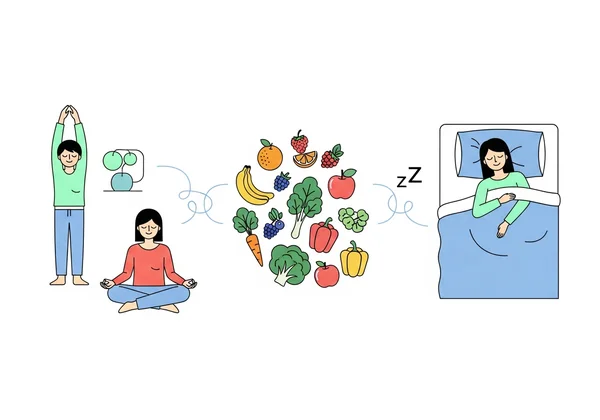
Move Your Body: The Power of Physical Activity
When you feel down, exercise might be the last thing on your mind, but its benefits are profound. Physical activity releases endorphins, which are natural mood elevators, and reduces stress hormones like cortisol.
Think of this like stretching a stiff muscle – gentle consistency matters more than intensity.
- Start small: A 15-minute walk outside can expose you to natural light and change your environment.
- Find joy in movement: Put on your favorite music and dance for a few songs.
- Try stretching: Gentle yoga or simple stretches can release physical tension and calm your mind.
Nourish Your Mind: Diet and Hydration Tips
The connection between your gut and your brain is powerful. What you eat can directly impact your mood and energy levels. While no food is a magic cure, mindful nourishment can make a significant difference.
- Stay hydrated: Dehydration can lead to fatigue and poor concentration. Keep a water bottle nearby and sip throughout the day.
- Balance your blood sugar: Avoid spikes and crashes from sugary snacks. Opt for whole foods like fruits, vegetables, nuts, and whole grains that provide sustained energy.
- Focus on omega-3s: Foods rich in omega-3 fatty acids, like salmon and walnuts, have been linked to improved mood.
Prioritize Rest: Building Healthy Sleep Habits
Low mood and poor sleep often go hand-in-hand, creating a difficult cycle. Improving your "sleep hygiene" can help restore your body’s natural rhythm and improve your emotional regulation.
- Create a routine: Go to bed and wake up around the same time each day, even on weekends.
- Wind down: Dedicate the hour before bed to screen-free, calming activities like reading a book, taking a warm bath, or listening to quiet music.
- Optimize your environment: Make sure your bedroom is dark, quiet, and cool.
As you implement these changes, you can use periodic assessments to see how they impact your mood. It's a great way to track your progress and understand what works best for you.
Cultivating Resilience: Coping with Depression Symptoms
Beyond daily habits, developing mental and emotional skills can fortify you against stress and low mood. These practices help you change your relationship with your thoughts and feelings.
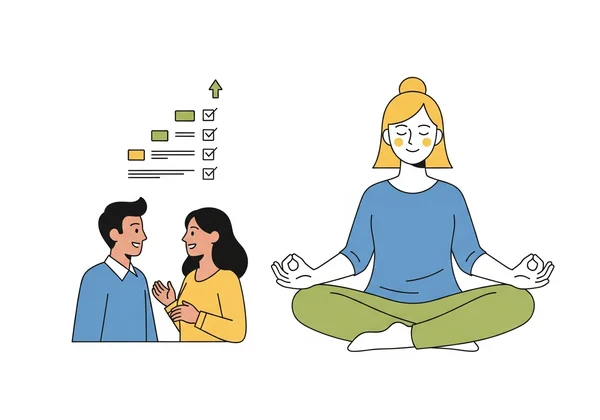
Practice Mindfulness: Stress Reduction and Emotional Awareness
Mindfulness is the simple practice of paying attention to the present moment without judgment. It helps you step back from overwhelming thoughts and emotions, reducing their power over you.
- Three-minute breathing: Sit quietly and focus on the sensation of your breath entering and leaving your body. When your mind wanders, gently guide it back to your breath.
- Mindful observation: Choose an everyday object and observe it with all your senses for one minute. Notice its color, texture, and shape. This grounds you in the present.
Connect with Others: The Importance of Social Support
Depression often urges us to withdraw, but connection is a powerful antidote. Sharing your feelings with someone you trust can reduce feelings of isolation and shame.
- Reach out simply: You don't need to have a deep conversation. A simple text to a friend asking how they are can reopen a line of connection.
- Schedule social time: Make a plan to have a coffee or a walk with a supportive friend or family member.
- Quality over quantity: Focus on one or two trusted relationships where you feel safe and understood.
Set Achievable Goals: Reclaiming Control and Motivation
When motivation is low, even small tasks can feel monumental. The key is to break things down into tiny, manageable steps to rebuild a sense of accomplishment and control.
- The "one thing" rule: Choose just one small task for the day, such as making your bed or washing one dish.
- Break it down: If a task feels too big, break it into the smallest possible components. Instead of "clean the house," start with "put one thing away."
- Celebrate small wins: Acknowledge your effort. Every small step forward is a victory worth recognizing.
Recognizing Symptoms: When to Seek Professional Support
Self-care is a vital component of mental health management, but it's not always enough. Knowing when to seek professional help is a sign of wisdom and self-respect. It means you are taking your well-being seriously.

Recognizing Worsening Symptoms or Persistent Distress
It may be time to consult a professional if you notice:
- Your symptoms persist for more than a few weeks despite your self-care efforts.
- Your low mood is significantly impacting your work, relationships, or ability to function.
- Feelings of hopelessness or worthlessness are increasing.
- You are using unhealthy coping mechanisms, such as alcohol or substance use, to manage your feelings.
Important: If you are having thoughts of harming yourself, please seek immediate help. Contact a crisis hotline, go to the nearest emergency room, or reach out to a trusted person who can help you get to safety.
Consulting a Mental Health Professional: Your Next Steps
Talking to a therapist, counselor, or doctor is a proactive step toward feeling better. They are trained to provide support, teach coping strategies, and help you understand the root causes of your feelings.
Bring your BDI results to appointments. They offer an objective snapshot of your experiences, making it easier to start meaningful conversations with providers. To prepare for a professional consultation, you can get your BDI score and bring the results with you.
Empowering Your Journey: Using BDI for Continued Insight
Receiving a mild-to-moderate BDI score is not a judgment—it is a tool for self-awareness. It provides a starting point for a journey of self-care, resilience, and growth. By implementing small, consistent habits and knowing when to reach out for support, you can actively manage your mood and improve your quality of life.
Keep these truths close as you move forward:
- Your score is an indicator, not a definition. Use it as information to guide your next steps.
- Early and consistent self-care is powerful. Small daily actions create significant long-term change.
- Seeking professional help is a sign of strength. It’s a resource available to support you.
Your journey to emotional well-being is unique. By staying curious and compassionate with yourself, you can navigate the path with confidence.
Ready to understand your mood and take the first step? Take the free BDI test today and empower your journey toward well-being.
Common Questions About BDI Scores and Self-Care
What is considered a mild BDI score?
Generally, a score in the range of 14-19 on the BDI-II is considered indicative of mild depression. However, these ranges are clinical guidelines. It's most important to focus on how you feel and the impact on your daily life, rather than on the specific number alone.
Can a BDI test detect mild depression?
A BDI test is a highly effective screening tool that helps detect and measure the severity of depressive symptoms. If your score falls in the mild range, it indicates you are experiencing symptoms consistent with mild depression. However, it is not a formal diagnosis. A diagnosis can only be made by a qualified healthcare professional.
How often should I re-take the BDI test if my scores are mild?
If you are actively trying new self-care strategies, re-taking the test every 2 to 4 weeks can be a helpful way to monitor your progress. It provides objective feedback on whether your efforts are making a difference in your mood.
Is the BDI test scientifically valid for self-assessment?
Yes, the Beck Depression Inventory is one of the most widely used and scientifically validated instruments for measuring depressive symptoms. Developed by Dr. Aaron T. Beck, it is trusted by clinicians and researchers worldwide. When used for self-assessment, it provides a reliable and valuable snapshot of your current emotional state. Learn more through our scientifically validated test.