Beyond Your BDI Score: Therapy Types for Depression
Receiving your results from a BDI test can be a pivotal moment. It’s a sign of incredible self-awareness and a courageous first step on a path toward understanding your emotional well-being. But it often leads to a crucial question: What comes next after seeing your score? If you're feeling a mix of clarity and uncertainty, you are not alone. This guide is here to walk you through the next chapter: exploring the world of therapy for depression. Think of your score not as a final destination, but as a starting point—a valuable piece of information to help you navigate your mental health journey.
Understanding your emotional state is the first step towards managing it. The Beck Depression Inventory (BDI) is a powerful tool for this initial reflection. If you haven't yet, you can take the test to gain personal insight. This article will help you turn that insight into informed action by demystifying different therapy types and empowering you to find the support that feels right for you.
What to Do After Your Depression Test: Understanding BDI Results
Taking an online BDI test is a proactive measure for your mental health. The score you receive provides a snapshot of your mood and the severity of depressive symptoms you may be experiencing. It’s essential to view this result as a catalyst for conversation, not a clinical diagnosis.
Interpreting Your BDI Score: A Starting Point for Discussion
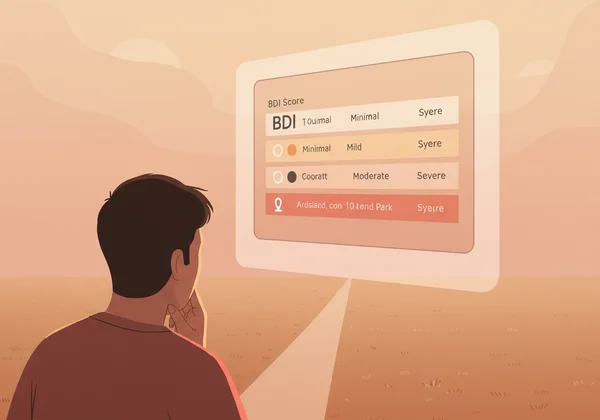
Your BDI score categorizes your symptoms into levels, such as minimal, mild, moderate, or severe depression. This categorization is incredibly useful for giving you a vocabulary to describe what you're feeling. For example, a "moderate" score can validate that your struggles are real and significant. However, this score doesn't capture the full picture—your life experiences, your personal strengths, and the unique context of your situation. The most powerful way to use your score is as a concrete starting point for a discussion with a doctor or mental health professional. It provides objective data to help guide a deeper, more personalized evaluation.
Why Seeking Professional Guidance is Key
Self-assessment tools are designed for screening and awareness. They can signal that it's time to seek help, but they cannot replace a comprehensive diagnosis from a qualified professional. A therapist or psychiatrist can conduct a thorough assessment, rule out other potential causes for your symptoms, and work with you to create a tailored treatment plan. They provide a safe, confidential space to explore your feelings and develop effective coping strategies. Remember, using a mood self-assessment is a sign of strength, and reaching out for professional support is the next logical and courageous step.

Exploring Different Types of Therapy for Depression
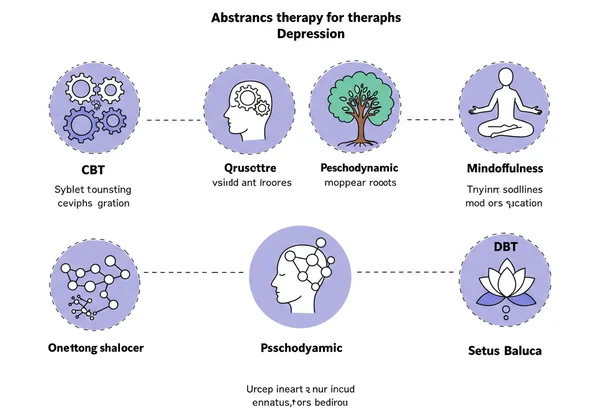
When people hear "therapy," they often picture one specific scenario, but the reality is a rich landscape of different approaches. Each type of therapy has a unique focus and methodology, meaning there's a strong likelihood you can find one that resonates with you. Let’s explore some of the most common and effective types of therapy for depression.
Cognitive Behavioral Therapy (CBT): Changing Thought Patterns
Cognitive Behavioral Therapy (CBT) is one of the most widely researched and effective therapies for depression. Its core idea is that our thoughts, feelings, and behaviors are interconnected. CBT helps you identify negative or unhelpful thought patterns (like self-criticism or hopelessness) and challenge them. A therapist will work with you to develop practical skills to change these patterns and behaviors, leading to improved mood and functioning. It’s a goal-oriented and proactive approach, making it an excellent choice for those who want to build tangible skills for managing their mental health.
Psychodynamic Therapy: Understanding Your Past
Psychodynamic therapy delves into how your past experiences, often from childhood, may be shaping your current feelings and behaviors. The goal is to bring unconscious thoughts and unresolved conflicts to the surface. By understanding your past, you can gain insight into the root causes of your depression and break free from recurring patterns. This approach is less structured than CBT and focuses on building a deep therapeutic relationship with your therapist, which becomes a key tool for healing and self-discovery.
Interpersonal Therapy (IPT): Strengthening Relationships
Interpersonal Therapy (IPT) is a structured therapy that focuses on the connection between your mood and your relationships. Depression doesn't happen in a vacuum; it affects and is affected by the people around you. IPT helps you identify and resolve interpersonal issues in one of four key areas: grief, role disputes (conflicts with significant others), role transitions (major life changes like a new job or parenthood), or interpersonal deficits (difficulties in forming and maintaining relationships). If you feel your depression is linked to your social connections, IPT can be incredibly effective.
Dialectical Behavior Therapy (DBT): Managing Intense Emotions
Originally developed for borderline personality disorder, Dialectical Behavior Therapy (DBT) has proven highly effective for individuals who experience intense emotions, including those with depression. DBT combines CBT techniques with mindfulness practices. It teaches four crucial skill sets: mindfulness (being present), distress tolerance (coping with crises), emotion regulation (managing intense feelings), and interpersonal effectiveness (communicating needs effectively). If you struggle with overwhelming sadness, anger, or mood swings, DBT can provide you with a robust toolkit for emotional regulation.
Other Approaches: ACT, EMDR, and More
The world of therapy is always evolving. Other effective approaches include:
- Acceptance and Commitment Therapy (ACT): Focuses on accepting difficult feelings rather than fighting them, and committing to actions guided by your personal values.
- Eye Movement Desensitization and Reprocessing (EMDR): Often used for trauma, but can also help process distressing memories or beliefs contributing to depression.
Exploring these options with a professional can help you find the best fit. You can always come back to understand your score as you progress through therapy.
Finding the Right Therapist: Your Next Steps
Knowing the types of therapy is one thing; finding the right person to guide you is another. This process is deeply personal, and taking the time to find a good fit is an investment in your well-being. Here’s how you can take the next practical steps in finding a therapist.

Questions to Ask Potential Therapists
Before committing to a therapist, it’s a good idea to have a brief consultation call or meeting. This is your chance to interview them and see if you feel a connection. Consider asking:
- What is your experience treating depression?
- What therapeutic approaches do you specialize in? (e.g., CBT, psychodynamic)
- What can I expect in our first few sessions?
- How do you measure progress?
- What are your fees, and do you accept my insurance?
Online vs. In-Person Therapy: Pros and Cons
The rise of telehealth has made therapy more accessible than ever. Online therapy offers convenience, flexibility, and access to a wider range of specialists. In-person therapy provides a dedicated physical space for your sessions and may feel more personal to some. There is no right or wrong answer—the best choice depends on your comfort level, schedule, and needs.
Understanding Costs and Insurance for Therapy
The cost of therapy can be a significant barrier, but there are options. Start by checking your health insurance plan to understand your mental health coverage. Many therapists offer a sliding scale fee based on income, and community mental health centers often provide low-cost services. Don't let cost deter you from seeking help; be open about your budget when searching for a provider. Investing in your mental health is invaluable.
Your Path Forward: Embracing Support and Growth
You've already accomplished something significant by seeking to understand your emotional health through the BDI test. That single action is a powerful testament to your strength and desire for a richer life. Now, you are armed with knowledge about the diverse and effective forms of therapy available. The journey from self-assessment to professional support is a path of empowerment. Remember, every step, from taking a free BDI test to finding the right therapist, is a powerful act of self-care, guiding you toward managing symptoms and building a truly fulfilling future.
Remember, your score is not a label; it is a guide. It points you in the direction of support, and help is readily available. Continue your journey of self-discovery, and know that seeking help is the ultimate act of self-care. We encourage you to explore our resources or share your thoughts in the comments below.
Frequently Asked Questions
What is a normal BDI score?
A "normal" or minimal score on the Beck Depression Inventory (BDI-II) is typically in the 0-13 range. This suggests a person is experiencing few to no depressive symptoms. However, "normal" is subjective, and any score should be considered in the context of an individual's overall well-being.
How do you interpret BDI scores for depression severity?
BDI-II scores are generally interpreted as follows: 0-13 indicates minimal depression, 14-19 is mild depression, 20-28 is moderate depression, and 29-63 signifies severe depression. These ranges are guidelines used by professionals as part of a larger assessment, not as a standalone diagnosis. Our online BDI test provides these interpretations instantly.
Is the BDI test scientifically valid for screening depression?
Yes, the Beck Depression Inventory is one of the most widely used and scientifically validated instruments for measuring the severity of depression. It has been trusted by researchers and clinicians for decades as a reliable screening tool to identify depressive symptoms and monitor treatment progress.
What is the difference between BDI and other depression tests like PHQ-9?
Both the BDI and the PHQ-9 are effective depression screening tools, but they differ slightly. The BDI is more comprehensive with 21 questions covering a broader range of cognitive, affective, and somatic symptoms. The PHQ-9 is shorter, with 9 questions based directly on the diagnostic criteria for major depressive disorder in the DSM-5, making it a very quick and common screening tool in primary care settings.
How long does therapy for depression typically last?
The duration of therapy varies greatly depending on the individual, the severity of the depression, and the therapeutic approach. Some goal-oriented therapies like CBT might last for 12-20 sessions, while more insight-oriented approaches like psychodynamic therapy can be longer-term. The goal is always to equip you with the skills you need, not to keep you in therapy indefinitely.