How Long Does Depression Last: Understanding the Timeline & Stages
Depression often feels like a heavy fog that refuses to lift, distorting your sense of time and making every day feel like an eternity. If you are reading this, you are likely asking a question that thousands of others wrestle with daily: how long a depression can last? The uncertainty is exhausting, but you are not alone in this search for clarity.
While the duration of depression varies significantly from person to person, understanding the typical timeline of a depressive episode can provide a much-needed sense of control. This guide explores the average length of episodes, the factors that influence recovery, and the signs that indicate the fog may finally be lifting. Before diving into the timeline, many people find it helpful to try the BDI test online to get a clear snapshot of their current mood baseline.
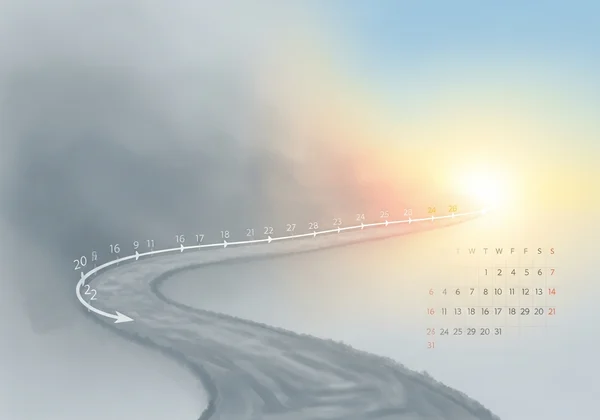
How Long Does a Depressive Episode Usually Last?
When mental health professionals talk about depression duration, they often refer to a "depressive episode." This is a distinct period where symptoms are present most of the day, nearly every day. Understanding this baseline is the first step in managing your expectations and planning your recovery.
Is It Just Sadness or a Clinical Episode? (Key Differences)
Before worrying about months or years, it is crucial to distinguish between temporary sadness and a clinical depressive episode. Sadness is a natural human emotion, usually triggered by a specific event, and it tends to fade as time passes or as you become distracted.
A depressive episode is different. It is persistent and pervasive. To meet the clinical criteria for a major depressive episode, symptoms must last for at least two weeks. However, for most people seeking answers, the feelings have likely persisted much longer than that. If your low mood interferes with your ability to work, sleep, or eat, you are likely dealing with an episode rather than fleeting sadness.
The 6–12 Month Average (Natural Course of an Episode)
If left completely unaddressed, how long does a specific bout of depression stick around? According to general psychological data and historical observations of the "natural course" of the condition:
- Without any treatment: An average episode can last anywhere from 6 to 12 months.
- With effective treatment: Symptoms can often be significantly reduced within 3 to 6 months, with initial relief sometimes felt in just a few weeks.
- Chronic cases: For about 20% of individuals, an episode may stretch specifically beyond 24 months if proper interventions aren't found.
It is important to remember that these are statistical averages, not a life sentence. Your personal timeline depends on your unique biology, environment, and the steps you take today.
How Long Does Depression Last Without Treatment?
One of the most common questions is whether depression will just "go away" if you wait it out. The answer is complex. While spontaneous remission (getting better without help) is possible, relying on it carries significant risks.
Can Depression Go Away on Its Own?
Technically, yes. For many people, a depressive episode is self-limiting, meaning it will eventually resolve as the brain chemistry re-stabilizes or life circumstances change. However, relying on this "wait and see" approach is often agonizing.
Waiting for depression to fade naturally means enduring the symptoms for the full 6–12 month average duration. During this time, the impact on your career, relationships, and physical health can be substantial. Furthermore, "going away" doesn't always mean staying away.
The Hidden Costs of "Waiting It Out" (Recurrence Risks)
The duration of untreated depression isn't just about the current months of suffering; it's about the future. Research suggests that the longer a depressive episode is allowed to continue, the more "entrenched" the pathways in the brain become. This is sometimes referred to as the "kindling effect."
Consider these risks of inaction:
- Increased Recurrence: Untreated episodes increase the likelihood of future episodes.
- Chronicity: A temporary episode can morph into a chronic condition (Persistent Depressive Disorder).
- Resistance to Treatment: Delaying support can sometimes make future treatment more difficult or slower to take effect.
Treated vs. Untreated: Comparing the Timelines
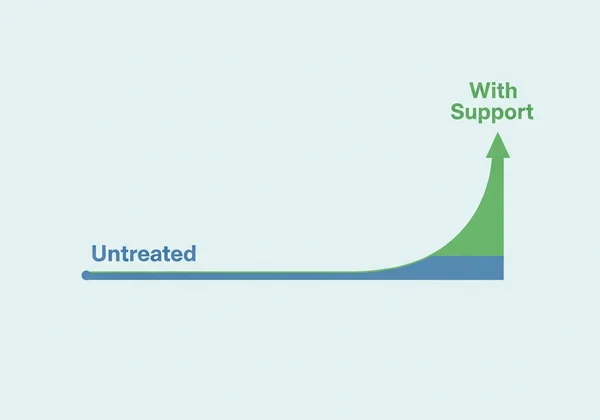
To visualize the difference, compare the two typical paths:
- The Untreated Path: You might experience a slow, grueling decline, followed by a plateau of low mood that lasts nearly a year, followed by a gradual, fragile recovery.
- The Treated Path: With therapy, medication, or lifestyle changes, the "peak" of the depression is often cut short. You may begin to see breaks in the clouds within 4–8 weeks, significantly shortening the overall timeline.
Factors That Influence Duration (Severity & Types)
You might be wondering, "Why does my friend seem to bounce back in a month, while I've been struggling for a year?" The answer lies in the variables. How long a depression can last is heavily influenced by severity and the specific type of depression you are experiencing.
Duration of Mild vs. Major Depressive Episodes
Severity plays a massive role in duration.
- Mild Depression: Often situational. You might still be able to function at work, though it takes immense effort. These episodes are often shorter, especially if the triggering situation resolves (e.g., getting a new job, healing from a breakup).
- Major (Severe) Depression: This involves disabling symptoms. Without intervention, severe depression tends to be more stubborn and long-lasting because it often involves deeper biological dysregulation.
When It Lasts for Years: Persistent Depressive Disorder (PDD)
If you feel like you have been depressed for years rather than months, you might be dealing with Persistent Depressive Disorder (formerly Dysthymia).
- Definition: A depressed mood that lasts for at least two years.
- The Experience: It is often described as a "low-grade" depression. You may not be bedridden, but you cannot remember the last time you felt truly happy.
- The Timeline: Because PDD is chronic by nature, the "how long" question is harder to answer. However, PDD is highly treatable, and many people achieve remission with the right long-term strategy.
How Age and Life Events Impact Recovery
- Adolescents: Teens may experience more volatile, rapid-cycling moods, but episodes can also be prolonged by hormonal changes and social environments.
- Older Adults: Depression in later life can sometimes last longer due to co-occurring medical conditions or isolation.
- Trauma: Depression rooted in unresolved trauma or grief often has a longer timeline than depression triggered by general stress.
Measuring Your Current State: A Step Toward Clarity
You have read about the averages, the types, and the risks. But where do you fit into this picture? It is difficult to estimate how long your journey will be if you don't know where you are starting from.
Why You Need a Baseline (Stop Guessing)
When you are in the thick of it, "mild" can feel severe, and "severe" can feel normal because you've become used to it. Subjective guessing often leads to anxiety. Establishing a concrete baseline helps you:
- Validate your feelings with objective data.
- Communicate more clearly with doctors or therapists.
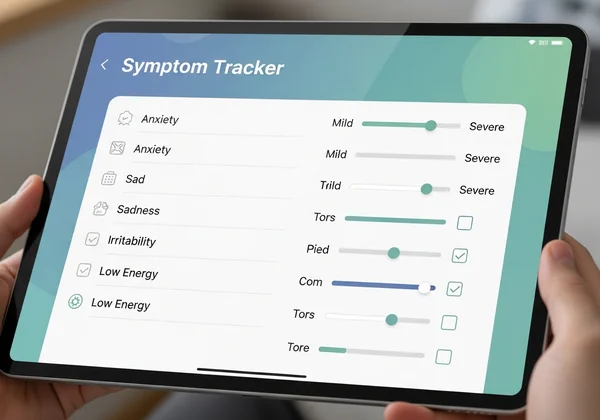
- Track your progress over time (e.g., checking if your score drops after a month of lifestyle changes).
How to Measure Your Emotional Intensity
One of the most widely used tools for this purpose is the Beck Depression Inventory (BDI). It is a standard screening questionnaire used globally to measure the severity of depression symptoms.
It doesn't tell you why you are depressed, but it tells you how intense the depression is right now.
Using the BDI Test for Educational Insight
If you are unsure whether your symptoms are mild, moderate, or severe, taking a validated screening is a proactive step. It moves you from passive worrying to active monitoring.
You can explore our comprehensive BDI test to understand the scoring methodology, or simply take the assessment to get a private, immediate look at your symptom profile. Remember, this is an educational tool for self-reflection, not a medical diagnosis.
Signs That Depression Is Ending (The Recovery Phase)
Just as the onset of depression can be slow, recovery is often gradual. You likely won't wake up one morning completely "cured." Instead, you will notice small, subtle shifts. Knowing what to look for can help you stay motivated.
Physical and Emotional Signs the Fog Is Lifting
Watch for these "green flags" that suggest the episode is waning:
- Sleep Stabilization: You fall asleep easier or stop waking up at 4 AM.
- Return of Taste: Food starts to taste good again, rather than just being "fuel."
- Laughter: You find yourself chuckling at a joke genuinely, even if just for a second.
- Hygiene: Taking a shower feels like a routine task again, not a monumental mountain to climb.
- Future Thinking: You start making plans for next week or next month (depression usually keeps you trapped in the "now").
Why Recovery Is Non-Linear (Understanding Setbacks)
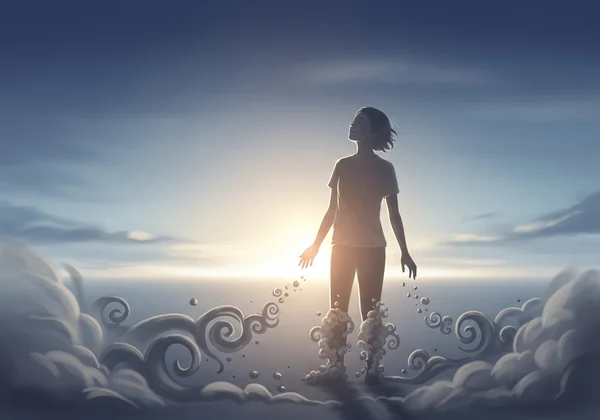
A crucial reminder: Recovery is not a straight line.
You will have good days followed by a bad week. This does not mean the depression is starting over; it is a natural part of the healing process. Think of it like a stock market chart—there are daily dips, but the overall trend should be moving upward.
If you experience a setback, check in with yourself. Are you tired? Stressed? Did you miss a therapy session? Adjust your self-care, but don't panic. The duration of these setbacks is usually much shorter than the original episode.
Conclusion: You Don't Have to Wait Forever
So, how long does depression last? For most people, an untreated episode averages 6 to 12 months, but this is not a rule you have to live by. You have the power to influence this timeline.
By understanding the severity of your condition, recognizing the signs of recovery, and choosing not to "wait it out" alone, you can significantly shorten the path to feeling like yourself again. The fog is heavy, but it is not permanent.
If you are ready to stop guessing and start measuring your progress, check your BDI test results explained to see where you stand today. Knowledge is the first step toward relief.
Frequently Asked Questions
Can depression last forever?
Depression can feel permanent when you are in it, but it is rarely "forever." Even chronic forms like Persistent Depressive Disorder (Dysthymia) are treatable. With the right combination of therapy, medication, and lifestyle changes, most people find relief.
How long does it take to start feeling better after starting treatment?
Antidepressants typically take 4–6 weeks to show full effect, though sleep and energy might improve sooner. Therapy is a longer process, but many people report feeling a sense of relief after just a few sessions simply because they are no longer carrying the burden alone.
Does depression get worse with age?
Not necessarily. While older adults face unique challenges like isolation or health issues, studies show they often have better emotional regulation skills than younger adults. However, if depression in older age is left untreated, it can lead to faster physical decline.
What is the difference between a "relapse" and a "recurrence"?
A relapse happens when symptoms return during the recovery of the current episode (before you are fully well). A recurrence is when a completely new episode starts after you have been well for a significant period (usually at least 2 months).