Is Depression a Mental Illness? How to Understand Symptoms, Disorders, and Next Steps
Yes, depression can be a mental illness. More precisely, clinical depression is commonly described as a mental health condition, a mood disorder, or a mental disorder when symptoms are persistent, distressing, and disruptive enough to meet clinical criteria. That does not mean every sad day is depression, and it does not mean a screening score can give you a formal diagnosis. It means depression is real, treatable, and more than a temporary weakness or attitude problem. If you are trying to make sense of your mood, a free BDI self-assessment can help you reflect on symptom patterns before you decide whether to speak with a qualified professional.
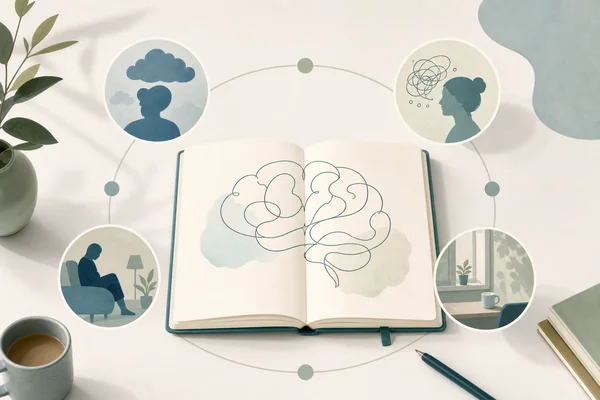
The Short Answer: Depression Can Be a Mental Illness
When people ask "is depression a mental illness," they are usually asking two questions at once: is depression real, and is it different from ordinary sadness? The answer to both is yes.
Depression is not simply a bad mood. In clinical contexts, depressive disorders involve patterns of low mood, loss of interest or pleasure, changes in sleep or appetite, low energy, trouble concentrating, guilt or worthlessness, slowed or restless movement, and sometimes thoughts of death or self-harm. The pattern matters because depression affects how a person feels, thinks, behaves, and functions in daily life.
The phrase "mental illness" is broad and sometimes emotionally loaded. Many professional sources use terms such as mental disorder, mood disorder, depressive disorder, or mental health condition. In everyday language, however, it is reasonable to say that major depression is a mental illness because it involves health-related changes in mood, thinking, behavior, and functioning.
The most important point is practical: depression deserves care, not blame. Calling it a mental illness should not be used to shame someone. It should help people understand that symptoms can be assessed, supported, and treated.
Depression, Sadness, and Stress Are Not the Same Thing
Sadness is a normal human emotion. Stress is a response to pressure, threat, change, or overload. Grief can be a natural response to loss. These experiences can be painful without being a depressive disorder.
Depression is different when the low mood or loss of interest lasts long enough, appears with other symptoms, and interferes with everyday life. A person may struggle to work, study, maintain relationships, care for their body, or enjoy activities that once mattered. The experience can also include physical symptoms such as fatigue, sleep disruption, appetite changes, aches, or a heavy sense of slowing down.
Duration is not the only factor, but it is often a useful signal. Many clinical descriptions use a period of about two weeks as part of the threshold for a major depressive episode. Still, time alone is not enough. A professional assessment also looks at severity, safety, medical history, substance use, life context, and whether another condition may explain the symptoms.
This is why it is possible to feel depressed without having a depressive disorder. It is also possible to minimize serious symptoms because they developed gradually. A careful, nonjudgmental look at patterns is more useful than arguing over labels.
Mental Illness, Mental Disorder, Mood Disorder, or Disease?
The wording can be confusing because different sources use different terms.
"Mental illness" is a common umbrella term. It usually refers to health conditions that affect mood, thinking, behavior, perception, or daily functioning. Under that umbrella, depression can fit when it is persistent and clinically significant.
"Mental disorder" is a more formal phrase often used in classification systems and public health writing. Major depressive disorder, persistent depressive disorder, seasonal pattern depression, and perinatal or postpartum depression are examples of depressive conditions that may appear in clinical discussions.
"Mood disorder" is more specific. Depression affects mood, interest, motivation, sleep, energy, and thinking, so it is often grouped with mood disorders. Bipolar disorder is also a mood disorder, but bipolar depression is not the same as unipolar major depression because it occurs within a condition that can also involve manic or hypomanic episodes.
"Disease" is sometimes used in everyday speech to emphasize that depression is real and health-related. However, "mental health condition" or "depressive disorder" is usually clearer for readers because depression involves biological, psychological, and social factors rather than a single simple cause.
So if you are asking whether depression is a mental illness or disorder, the safest answer is this: clinical depression is a recognized mental health condition and is commonly classified as a depressive disorder or mood disorder. Ordinary sadness is an emotion; depression is a pattern of symptoms that can affect health and functioning.
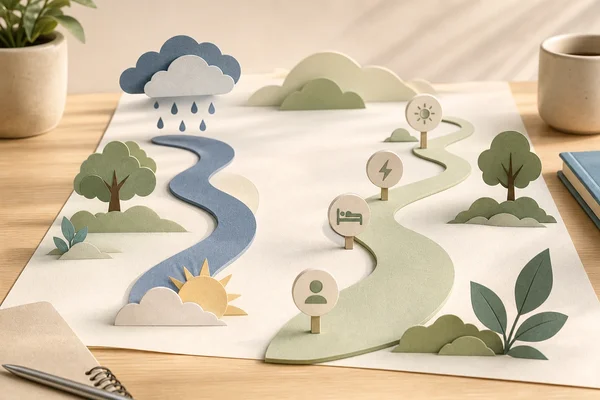
What Can Trigger Depression or Raise Risk?
Depression rarely has one simple trigger. Many people can point to a stressful period, a loss, a breakup, burnout, childbirth, chronic illness, isolation, or financial pressure. Others cannot identify one clear event. Both experiences are possible.
Risk can come from several directions. Biological factors may include family history, hormone changes, sleep disruption, chronic pain, thyroid issues, other health conditions, or medication effects. Psychological factors may include long-term self-criticism, trauma, persistent stress, avoidance patterns, or feeling trapped. Social factors may include loneliness, unsafe environments, discrimination, lack of support, job loss, caregiving strain, or major life transitions.
None of these factors means depression is someone's fault. They also do not mean depression is inevitable. They simply show why depression is better understood as a health condition with multiple influences. That broader view can reduce shame and make next steps more realistic.
If symptoms appear suddenly, feel unusually intense, or are paired with thoughts of self-harm, it is important to seek urgent support. In the United States, calling or texting 988 can connect someone with the Suicide & Crisis Lifeline. Outside the U.S., local emergency services or crisis lines are the safer path when immediate risk is present.
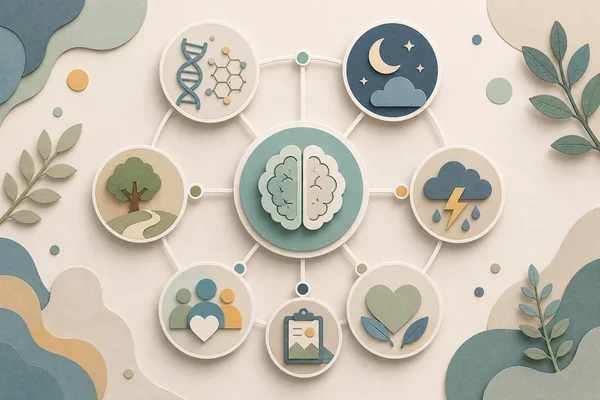
Is Depression and Anxiety Considered a Mental Illness?
Depression and anxiety are different, but they often overlap. Depression usually centers on low mood, loss of interest, low energy, and changes in thinking or functioning. Anxiety usually centers on fear, worry, tension, avoidance, or physical arousal. A person can experience one without the other, but many people experience both.
When anxiety symptoms are persistent and impairing, they may be part of an anxiety disorder. When depressive symptoms are persistent and impairing, they may be part of a depressive disorder. If both patterns are present, a professional assessment can help sort out what is happening and what kind of support may fit.
This overlap is one reason screening tools should be treated as starting points. A depression questionnaire may highlight low mood, sleep, appetite, self-critical thoughts, or loss of pleasure, but it cannot fully separate depression from anxiety, trauma responses, medical concerns, grief, substance effects, or bipolar spectrum symptoms.
Are Postpartum, Seasonal, Bipolar, Mild, or Chronic Depression Mental Illnesses?
Many keyword variations ask whether a specific form of depression "counts." The answer depends on the form and context, but the broad principle is consistent: if the pattern is clinically significant and affects functioning, it may fall under a recognized mental health condition.
Postpartum or postnatal depression refers to depression connected with the period after birth. Many professionals now use the broader term perinatal depression because symptoms can begin during pregnancy as well as after delivery. This is not a character flaw or a failure as a parent; it is a health concern that deserves support.
Seasonal depression, often discussed as seasonal affective disorder or major depression with seasonal pattern, involves depressive symptoms that tend to occur during particular seasons. It is more than disliking winter or having a cloudy week.
Bipolar depression is different because the depressive episodes occur within bipolar disorder, which can also involve manic or hypomanic episodes. This distinction matters because treatment planning can differ.
Chronic depression may refer to persistent depressive disorder or long-lasting depressive symptoms. Mild depression can still matter if it affects sleep, motivation, work, relationships, or self-care. Severe depression is more likely to involve major impairment and safety concerns. In every case, severity labels should guide support rather than define a person's worth.
How a BDI Screening Fits Into the Picture
The Beck Depression Inventory, often called the BDI, is a self-report questionnaire designed to measure the severity of depressive symptoms. It asks about experiences such as sadness, pessimism, loss of pleasure, self-critical thoughts, sleep changes, appetite changes, fatigue, and concentration problems.
A BDI score can be useful because it organizes vague distress into a clearer symptom snapshot. For someone who is unsure whether their low mood is temporary stress or something more persistent, a private depression screening tool can support reflection and make it easier to describe concerns in a future conversation with a professional.
Still, a BDI result is not a formal diagnosis. It does not replace a clinical interview, safety assessment, medical review, or consideration of other explanations. It is best used as one piece of information: a way to notice patterns, track changes over time, and decide whether more support would be wise.
If you use a screening tool, pay attention to more than the score. Notice which symptoms you endorsed, how long they have been present, what has changed in your daily life, and whether any safety concerns are present. That context often matters as much as the number.

What Recovery Can Look Like
People can recover from depression, and many people improve with the right support. Recovery does not always mean symptoms disappear overnight or never return. It may mean symptoms become less intense, daily routines become more manageable, relationships feel more reachable, and a person regains a sense of choice.
Support can include talk therapy, medication prescribed by a qualified clinician, lifestyle changes, social support, sleep and activity routines, treatment for related medical issues, or a combination of approaches. The right plan depends on the person, symptom pattern, severity, safety, access, preferences, and medical history.
For mild symptoms, structured self-care may help some people, especially when combined with monitoring and support. For moderate, severe, chronic, postpartum, bipolar, or safety-related symptoms, professional care becomes especially important. If symptoms include thoughts of death, self-harm, or feeling unable to stay safe, urgent help matters more than waiting to see whether things pass.
It is also possible to live a meaningful life while managing depression. Some people have one episode and recover well. Others experience recurring symptoms and learn to recognize early warning signs. The goal is not to become a perfect version of yourself; it is to get enough support that life becomes safer, steadier, and more workable.

What to Do If This Question Feels Personal
If you are asking "is depression a mental illness" because the question feels personal, start gently. Write down what has changed: mood, sleep, appetite, concentration, energy, interest, self-talk, work or school functioning, relationships, and any thoughts about self-harm. Note when the pattern began and whether it is getting better, worse, or staying the same.
You can use a BDI score reflection as a private first step, especially if you want language for what you are experiencing. Then consider sharing your notes with a mental health professional, primary care clinician, school counselor, crisis service, or another trusted support. A screening result should open a conversation, not close one.
Most of all, try not to turn the label into a judgment. Depression being a mental illness does not mean you are broken. It means your experience deserves attention, context, and care.
FAQ
Does depression count as mentally ill?
Clinical depression can fall under the broad category of mental illness, but many people prefer more specific language such as depressive disorder, mood disorder, or mental health condition. It is usually more respectful to say someone is living with depression than to label the person as "mentally ill."
Can people recover from depression?
Yes. Many people improve with appropriate support, which may include therapy, medication, social support, routine changes, treatment for related health issues, or a combination of approaches. Recovery can look different from person to person, and recurring symptoms may need ongoing care.
What triggers depression?
Depression can be linked with stressful life events, grief, trauma, childbirth, chronic illness, sleep disruption, family history, isolation, substance use, or long-term pressure. Sometimes there is no single clear trigger. A full assessment looks at biological, psychological, and social factors together.
Can a depressed person live a normal life?
Many people with depression live full, meaningful lives, especially when they have support and a plan that fits their needs. Symptoms can still be hard, and some people need long-term care, but depression does not erase a person's abilities, relationships, or future.
Is mild depression still a mental illness?
Mild depression can still be part of a depressive disorder if it is persistent and affects daily functioning. "Mild" does not mean unimportant. It means the symptom level may be lower than moderate or severe depression, and it may respond well to early support.
Is postpartum depression a mental illness?
Postpartum depression, often included in broader discussions of perinatal depression, is a real mental health condition. It can affect mood, energy, sleep, bonding, and safety. Anyone experiencing possible postpartum depression should seek support from a qualified health professional.
Is depression a mental illness or an emotion?
Sadness is an emotion. Depression is a broader symptom pattern that can affect mood, thinking, behavior, physical energy, sleep, appetite, and daily functioning. The difference matters because emotions often pass, while depression may need structured support.