Meds for Depression: What to Know Before Talking With a Clinician
Searching for meds for depression can feel practical and overwhelming at the same time. You may want names, side effects, a list of options, or a sense of what questions to bring to an appointment. This guide is educational only; it cannot choose a medication for you or replace a clinician's assessment. It can help you understand the main categories, why one person may respond differently from another, and how symptom tracking can make a medical conversation clearer. If you are trying to make sense of mood changes before an appointment, a private depression symptom self-check can be a useful starting point for reflection.

What Depression Medications Are Meant to Do
Depression medications, often called antidepressants, are prescription medicines used to reduce symptoms such as persistent low mood, loss of interest, sleep disruption, appetite changes, low energy, and difficulty concentrating. Some are also used for anxiety, obsessive-compulsive symptoms, chronic pain, or sleep-related concerns, depending on a person's full health picture.
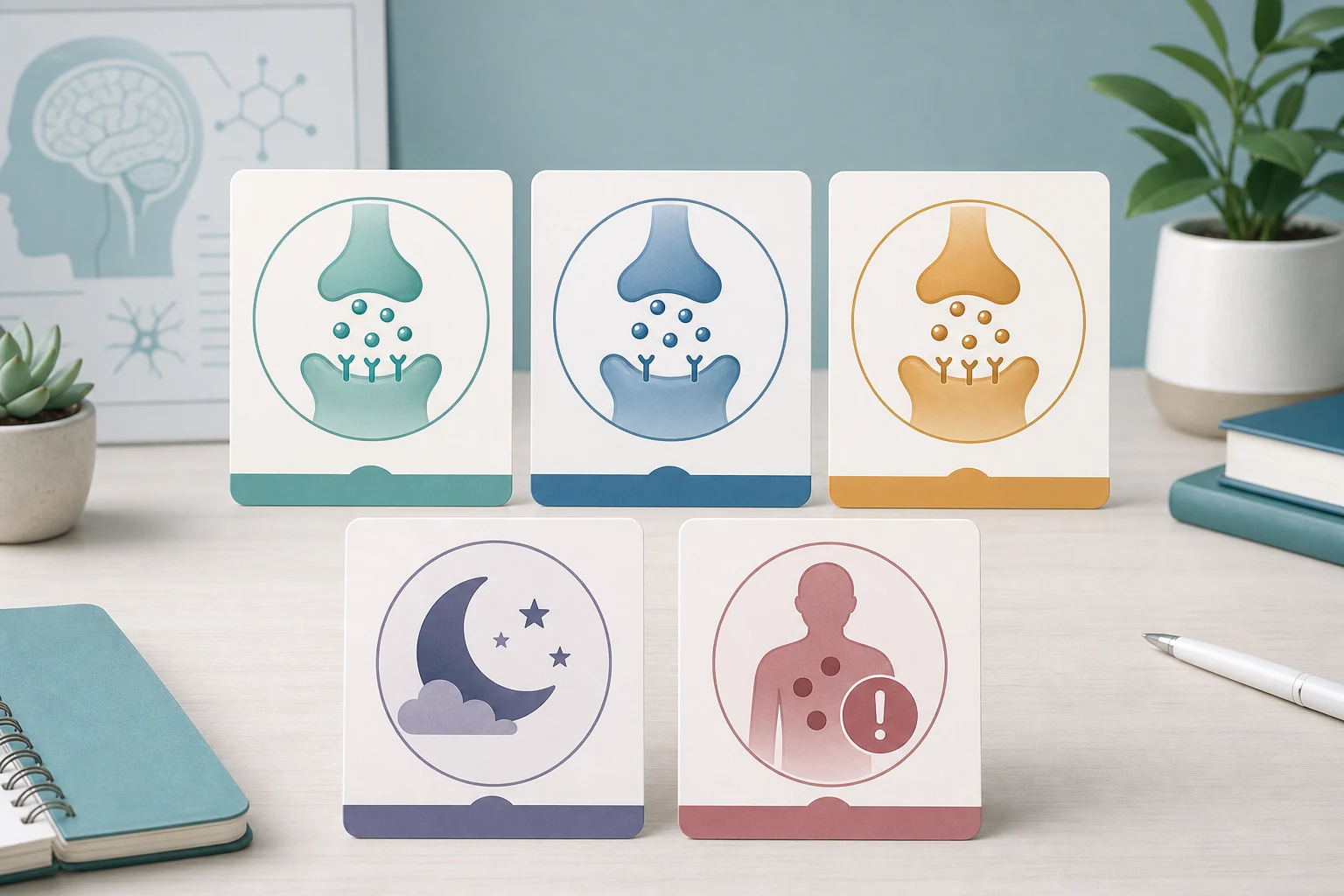
They do not work like a quick mood switch. Many antidepressants affect neurotransmitters involved in communication between brain cells, including serotonin, norepinephrine, and dopamine. The goal is not to create an artificial personality or erase normal emotion. The goal is to reduce the intensity and persistence of depressive symptoms enough that daily functioning, therapy, relationships, and self-care become more manageable.
Medication is only one part of treatment planning. Talk therapy, sleep routines, social support, movement when feasible, and help for work or school stress can all matter. The right path depends on symptom severity, safety concerns, medical history, preference, and access to care.
Common Meds for Depression List by Type
There is no single "best" med for depression for everyone. Clinicians usually think in categories, then narrow choices based on symptoms, past responses, other conditions, side effect risks, interactions, pregnancy plans, age, and cost.
SSRIs, or selective serotonin reuptake inhibitors, are commonly used first-line options. Examples include sertraline, fluoxetine, escitalopram, citalopram, and paroxetine. They are often discussed for depression and anxiety because they may help both sets of symptoms. Possible side effects can include nausea, headache, sleep changes, sexual side effects, dry mouth, or emotional blunting.
SNRIs, or serotonin and norepinephrine reuptake inhibitors, include venlafaxine, desvenlafaxine, duloxetine, and levomilnacipran. These medicines may be considered when depression overlaps with anxiety or certain pain conditions, though the fit depends on the individual. Side effects can include nausea, sweating, sleep changes, blood pressure changes, or withdrawal-like symptoms if stopped abruptly.
Atypical antidepressants do not fit neatly into the SSRI or SNRI categories. Bupropion, mirtazapine, trazodone, vortioxetine, and vilazodone are examples often discussed in this group. Some may be chosen when sleep, appetite, energy, sexual side effects, or concentration are major concerns. The tradeoffs differ by medicine, which is why a full medication review matters.
Older classes, including tricyclic antidepressants and MAOIs, can still be useful in selected situations, especially when newer options have not helped. They tend to require more careful monitoring because of side effects, overdose risk, food restrictions, or medication interactions. They are not usually a casual first choice.
Meds for Depression and Anxiety, ADHD, OCD, or Bipolar Symptoms
Searches for meds for depression and anxiety are common because the two often overlap. SSRIs and SNRIs are frequently discussed when a person has both depressive and anxiety symptoms, but treatment planning depends on details such as panic symptoms, trauma history, sleep, substance use, and previous medication response.
Depression with ADHD needs a careful conversation. Some people have low motivation because of depression, some have attention symptoms that predate mood changes, and some have both. A clinician may review stimulant or non-stimulant ADHD treatment, antidepressants, therapy, sleep, and executive-function supports. Combining medicines can be appropriate for some people, but it increases the need to check interactions and side effects.
Depression with OCD is also more specific than a general depression search. SSRIs are often part of OCD treatment, usually alongside exposure and response prevention therapy, but dose ranges and timelines may differ from depression-only treatment. That is one reason self-selecting from a simple depression pills names list is risky.
Bipolar depression requires special caution. Antidepressants can sometimes worsen agitation, trigger hypomania or mania, or complicate mood cycling when bipolar disorder is present. Mood stabilizers, certain antipsychotic medicines, and specialized psychiatric care may be part of the discussion. If you have ever had periods of unusually high energy, decreased need for sleep, impulsive behavior, or racing thoughts, tell your clinician before starting an antidepressant.
Side Effects and Safety Questions to Ask
Every medication can have side effects, and antidepressant side effects vary by class and person. Common issues include nausea, headache, dry mouth, dizziness, sleep changes, sexual side effects, appetite or weight changes, sweating, tremor, and feeling emotionally flat. Many early side effects improve over time, but some persist or become bothersome.
Ask your clinician or pharmacist what side effects are common, which ones need urgent attention, and how long to wait before deciding a medicine is not a good fit. Also ask about missed doses, interactions with alcohol, cannabis, supplements, or other prescriptions, and whether driving could be affected while you adjust.
Age matters. Antidepressants carry warnings about increased suicidal thoughts or behaviors in children, adolescents, and young adults, especially early in treatment or after dose changes. Anyone starting or changing medication should have a clear plan for monitoring mood, agitation, unusual behavior, and safety concerns. If you or someone else may be in immediate danger, contact local emergency services or a crisis line right away.
Pregnancy, breastfeeding, chronic pain, migraines, seizure history, liver or kidney problems, heart rhythm concerns, and bipolar symptoms can all change the risk-benefit conversation. Bring a complete list of medications and supplements to the appointment. Do not stop an antidepressant suddenly unless a clinician tells you to, because abrupt stopping can cause withdrawal-like symptoms or a return of symptoms.
How Long It Can Take to Notice Changes
One of the most frustrating parts of antidepressant treatment is the timeline. Some people notice changes in sleep, appetite, energy, or focus before mood improves. For many medicines, meaningful symptom improvement may take several weeks, and full benefit can take longer. That delay does not mean you are doing something wrong.
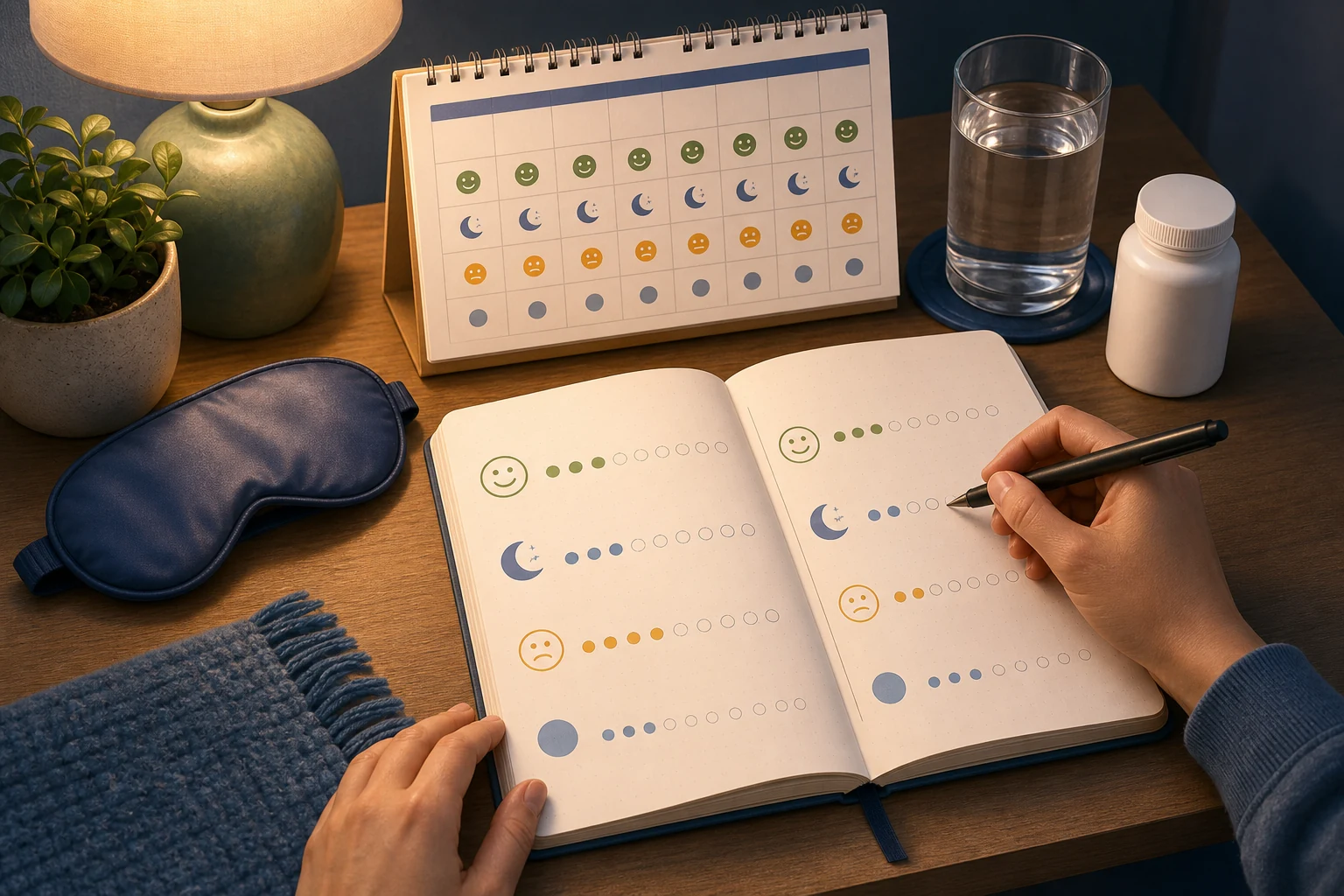
During the first weeks, keep notes on what changes and when. Track mood, sleep, appetite, energy, concentration, anxiety, side effects, missed doses, alcohol or substance use, and major stressors. This does not need to be complicated. A few brief notes can help your clinician decide whether to continue, adjust the dose, switch medicines, add therapy, or investigate another issue.
It is also reasonable to ask what "working" should mean. Is the goal fewer crying spells, better sleep, easier concentration, reduced panic, less self-criticism, or enough energy to return to routines? Clear goals prevent vague disappointment and make follow-up visits more productive. If you already use BDI-style symptom tracking, reviewing mood patterns over time may help you describe changes more clearly while remembering that self-assessment is not a clinical decision by itself.
Over-the-Counter and Natural Meds for Depression
Many people search for over the counter meds for depression or natural meds for depression because prescription care may feel intimidating, expensive, or slow to access. It is understandable to look for gentle options, but "natural" does not always mean safe, and over-the-counter products can interact with prescription medicines.
St. John's wort is a common example. It can interact with antidepressants, birth control, blood thinners, transplant medicines, HIV medicines, and other treatments. Some supplements may affect sleep, liver processing, bleeding risk, or serotonin levels. If you are already taking prescription medication, ask a pharmacist or clinician before adding herbs, supplements, or high-dose vitamins.
Lifestyle supports can help mood, but they should not be framed as a replacement for care when symptoms are persistent, severe, or safety-related. Sleep consistency, regular meals, movement within your capacity, light exposure, and social support can be part of recovery.
What to Bring to a Medication Appointment
A good appointment is easier when you bring specific information. Write down your main symptoms, when they began, what makes them better or worse, and whether they affect work, school, relationships, or basic routines. Note any previous antidepressants or psychiatric medicines, including the dose if you know it, how long you took them, what helped, and what side effects led you to stop.
Bring your current medications, supplements, allergies, medical conditions, pregnancy or breastfeeding plans, and family history of medication response if you know it. Also mention periods of unusually elevated mood, decreased need for sleep, risky behavior, substance use, or past self-harm thoughts.
Questions worth asking include: What class is this medicine in? Why does it fit my symptoms? What side effects are most likely? When should I follow up? What should I do if I feel worse? How will we decide whether to adjust, continue, or switch? Should therapy be part of the plan? Are there interactions with my other medicines, supplements, alcohol, or cannabis?

Using Symptom Tracking Alongside Medication Conversations
Meds for depression are most useful when they are part of an informed, monitored plan. A medication list can teach vocabulary, but your symptom pattern, health history, and goals are what make the conversation personal. Use educational resources to prepare questions, then let a qualified professional help weigh benefits, risks, and alternatives.
If you want a private way to organize how symptoms have felt recently, an online depression screening tool can support self-reflection before or between appointments. Treat the result as a conversation aid, not a final answer. If symptoms feel intense, unsafe, or rapidly worsening, seek professional help promptly rather than waiting for a scheduled check-in.
FAQ
What are the top 5 medications for depression?
There is no universal top five. Commonly discussed options include SSRIs such as sertraline, fluoxetine, escitalopram, citalopram, and paroxetine, but the best fit depends on symptoms, health history, side effects, interactions, and past response. A clinician may also consider SNRIs or atypical antidepressants.
Which medicine is best for depression?
The best medicine is the one that is appropriate for your specific situation and tolerable enough to take consistently. Depression symptoms, anxiety, sleep, pain, ADHD symptoms, OCD symptoms, bipolar history, pregnancy plans, other medicines, and personal preferences can all affect the choice.
How do SSRIs make you feel?
SSRIs do not usually create an immediate emotional lift. Over several weeks, some people notice less persistent sadness, reduced anxiety, better concentration, or more ability to function. Others feel side effects first, such as nausea, headache, sleep changes, sexual side effects, or emotional flatness. Tell your clinician what you notice.
What pill is best for depression and anxiety?
SSRIs and SNRIs are often discussed for depression with anxiety, but no single pill is best for everyone. The right choice depends on the type of anxiety, side effect risks, other conditions, and whether therapy or other supports should be included.
Are there over-the-counter meds for depression?
There is no over-the-counter product that should be treated as a direct replacement for prescription depression care. Supplements and herbal products can have side effects and interactions. If symptoms persist for more than a short period, or affect safety or daily functioning, speak with a healthcare professional.
How long does it take for depression meds to work?
Some changes may appear within the first few weeks, but many antidepressants take several weeks to show meaningful benefit. Sleep, appetite, energy, or focus may shift before mood does. Follow-up is important so your clinician can review progress, side effects, and next steps.
Can depression meds help with sleep or anger?
They can sometimes help when sleep problems or irritability are part of depression or anxiety, but they are not chosen by one symptom alone. Sleep disruption, anger, agitation, trauma, substance use, bipolar symptoms, and medication side effects all need careful review.