SAD Seasonal Affective Disorder: Symptoms, Light Therapy, and Next Steps
SAD seasonal affective disorder is more than feeling unmotivated when the weather changes. It describes a recurring seasonal pattern of depressive symptoms, most often in fall and winter, although some people notice a spring or summer pattern instead. If your mood, sleep, appetite, energy, or interest in daily life shifts at the same time each year, the pattern is worth taking seriously. This guide explains what SAD means, what symptoms to watch for, how SAD lamps and treatment options fit in, and how a private mood self-assessment can support reflection without replacing professional care.

What SAD Seasonal Affective Disorder Means
SAD stands for seasonal affective disorder. In everyday language, people often use "SAD" to describe winter depression, weather depression, or the winter blues. Clinically, the wording is more precise: SAD is commonly understood as depression with a seasonal pattern. That distinction matters because the core issue is not simply disliking cold weather or being tired after the holidays. The important pattern is a repeatable change in mood and functioning that arrives during a particular season and improves when that season passes.
Winter-pattern SAD is the most familiar form. Symptoms usually begin in late fall or early winter, become more noticeable during the darker months, and ease in spring or summer. Summer-pattern SAD, sometimes called reverse SAD, is less common but still recognized. It can involve depressed mood, agitation, poor sleep, appetite loss, or feeling overstimulated during hotter, brighter months.
SAD is not something to self-label from one bad week. A professional evaluation looks at symptoms, timing, duration, impairment, medical factors, medication effects, and other mental health conditions. Still, learning the pattern can help you decide whether to track your symptoms and talk with a health care provider or mental health professional.
Main Symptoms of Seasonal Affective Disorder SAD
The main symptoms of seasonal affective disorder SAD overlap with depression symptoms. The seasonal clue is the timing: the symptoms tend to return during the same part of the year and affect daily life.
Common symptoms can include:
- Persistent low, sad, anxious, or empty mood
- Loss of interest or pleasure in usual activities
- Low energy, fatigue, or feeling slowed down
- Difficulty concentrating or making decisions
- Sleep changes, including sleeping too much or too little
- Appetite or weight changes
- Irritability, restlessness, guilt, worthlessness, or hopelessness
- Physical aches, headaches, or digestive discomfort without a clear cause
- Thoughts of death, self-harm, or not wanting to live
Winter-pattern SAD often adds a "hibernating" quality. Someone who suffers from seasonal affective disorder SAD would probably notice more sleep, lower energy, carbohydrate cravings, weight gain, and social withdrawal during darker months. These signs can look like ordinary winter habits at first, but they become more concerning when they are persistent, impairing, and repeated year after year.
Summer-pattern SAD can look different. Instead of oversleeping and craving carbohydrates, some people have insomnia, reduced appetite, weight loss, agitation, anxiety, or an uncomfortable sense of being unable to settle. Because summer depression is less expected, people may miss the seasonal pattern until they compare several years of mood changes.
If symptoms include thoughts of self-harm, feeling unable to stay safe, or concern that someone may act on suicidal thoughts, seek immediate local emergency support or a crisis service. An article or self-reflection tool is not enough for urgent safety needs.
Why Seasons Can Affect Mood
Seasonal affective disorder SAD seems to be related to changes in light exposure, body rhythms, sleep, and mood-regulating brain systems. Researchers are still studying the exact pathways, and not every person has the same mix of causes. The strongest practical point is that seasonal light changes can influence daily rhythm, which can then affect sleep, energy, appetite, and mood.
Shorter daylight hours may affect serotonin activity, a system involved in mood regulation. Changes in darkness and light can also influence melatonin, a hormone tied to the sleep-wake cycle. When melatonin timing shifts, a person may feel sleepier, sluggish, or out of sync. Vitamin D is another related topic because the body produces vitamin D after sunlight exposure. Some people with winter-pattern SAD have low vitamin D, but vitamin D supplements have mixed evidence for SAD and should be discussed with a clinician, especially if you take medications or have other health conditions.
Risk also varies by context. SAD is more common in places with shorter winter daylight, and it often begins in young adulthood. It appears more often in women than in men, and it may be more likely in people who already have depression, bipolar disorder, anxiety, eating disorders, or a family history of mood conditions. These patterns are useful for awareness, not for self-confirmation.
SAD Lamps and Light Therapy What to Know
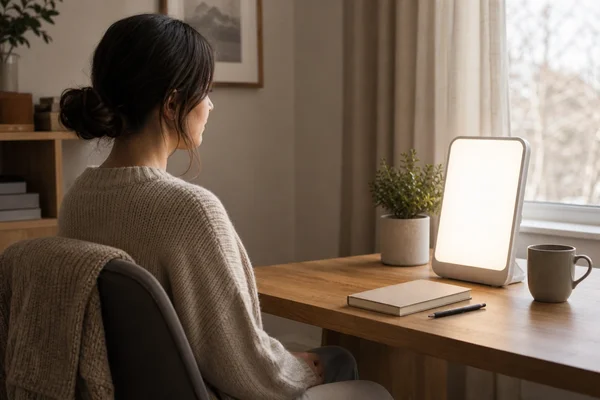
Searches for a seasonal affective disorder SAD lamp are common because light therapy is one of the best-known options for winter-pattern SAD. A lightbox for seasonal affective disorder SAD is designed to deliver bright light that mimics outdoor daylight while filtering out as much UV light as possible. Many clinical references describe 10,000 lux light boxes used in the morning for about 20 to 45 minutes, depending on the device and professional guidance.
Light therapy is not just turning on a bright desk lamp. Distance, angle, brightness, UV filtering, timing, and consistency all matter. Morning use is common because light late in the day may interfere with sleep for some people. Before buying a SAD lamp seasonal affective disorder device, it is wise to ask a health care provider about fit, especially if you have bipolar disorder, an eye condition, migraine sensitivity, skin or eye light sensitivity, or medications that increase sensitivity to light.
A lamp also should not become the whole plan. It may help some people, but it is not a stand-alone answer for everyone. If you are trying to understand whether your winter mood pattern is part of broader depressive symptoms, a free BDI-based mood screening tool can help you organize what you are noticing before a conversation with a professional. The result should be treated as educational information, not a professional diagnosis.
Treatment and Natural Support Options
The best treatment for SAD depends on the person, the season pattern, symptom severity, medical history, and whether other mental health conditions are present. Evidence-informed treatment for SAD seasonal affective disorder can include light therapy, cognitive behavioral therapy adapted for SAD, antidepressant medication, vitamin D assessment when relevant, and lifestyle steps that support sleep, activity, and connection.
CBT-SAD focuses on seasonal thoughts and behaviors that can keep symptoms going. For example, a person may withdraw from friends, stop enjoyable activities, and treat winter as something to endure passively. Therapy can help identify those loops, plan meaningful activities, and build coping routines before symptoms become more disruptive.
Medication may be appropriate for some people, especially when symptoms are moderate to severe, recurring, or impairing. A prescriber can review benefits, side effects, timing, and whether preventive planning before the usual symptom season makes sense. Never stop, begin, or change medication based only on a general article.
Natural treatment for SAD seasonal affective disorder usually means supportive habits rather than a replacement for care. Useful steps may include:
- Get outdoor light early in the day when possible.
- Keep a steady wake time and bedtime.
- Plan movement you can maintain during the difficult season.
- Keep meals regular and avoid relying on alcohol or recreational drugs for relief.
- Schedule social contact before isolation becomes the default.
- Track symptoms weekly so patterns are easier to discuss.
- Prepare a professional support plan if the same season is hard each year.
These steps are simple, but simple does not mean easy. The goal is to reduce friction. A ten-minute walk at lunch may be more realistic than a perfect exercise routine. Opening blinds every morning may be more sustainable than trying to redesign your whole day.
How Long SAD Lasts and When to Seek Support
How long does SAD last? Many descriptions place symptoms at about four to five months of the year, especially for winter-pattern SAD. A common pattern is symptoms building in fall or early winter, peaking during the darkest months, and easing as daylight returns. That said, duration varies. Some people improve within weeks after treatment begins. Others continue to feel low after the season changes, which may point to depression that is not only seasonal or to another factor that needs professional attention.
A useful rule is to look at both time and impact. If symptoms last at least two weeks, return each year, or interfere with work, school, relationships, sleep, eating, or basic self-care, it is reasonable to talk with a health care provider. If your mood pattern includes intense hopelessness, self-harm thoughts, or feeling unsafe, seek urgent help through local emergency services or a crisis line.
It can also help to prepare before the difficult season. If winter is usually hard, make a plan in late summer or early fall. If spring depression seasonal affective disorder reverse SAD is your pattern, plan before temperatures and daylight increase. Write down your early warning signs, the habits that help, the people you can contact, and the point at which you will reach out for professional support.
A Low-Pressure Mood Check-In Before FAQ
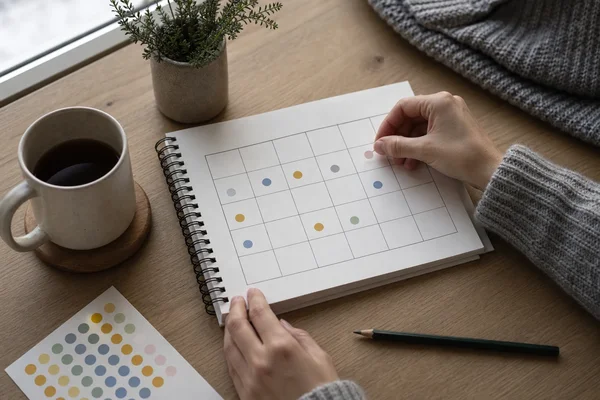
SAD seasonal affective disorder can feel confusing because it sits between mood, weather, light, sleep, habits, and life stress. A low-pressure check-in can make the pattern less vague. You might track sleep, appetite, energy, interest, concentration, social withdrawal, and mood once a week through the season. You can also note daylight exposure, activity, major stressors, and whether symptoms improve when the season changes.
BDI-based screening is not SAD-specific, but it can help you reflect on depressive symptoms in a structured way. If you want a quiet starting point, BDITest.org offers a calm place to reflect on mood symptoms and organize what you may want to discuss with a professional. Use any score as a conversation aid, not a final answer. Seasonal patterns deserve care, context, and support that fits your life.

FAQ
What are the main symptoms of SAD?
The main symptoms of SAD include persistent low mood, loss of interest, fatigue, concentration problems, sleep changes, appetite or weight changes, social withdrawal, and feelings of hopelessness or worthlessness. Winter-pattern SAD often involves oversleeping, carbohydrate cravings, and low energy. Summer-pattern SAD may involve insomnia, poor appetite, agitation, anxiety, or weight loss.
What is SAD called now?
SAD is still widely used as a common abbreviation for seasonal affective disorder. In clinical wording, it is often described as depression with a seasonal pattern rather than a completely separate condition. The everyday term remains useful, but a professional evaluation looks at the full symptom pattern, timing, duration, impairment, and possible contributing factors.
What is the best treatment for SAD?
There is no single best treatment for every person. Winter-pattern SAD may improve with properly guided light therapy, CBT-SAD, medication, vitamin D evaluation when appropriate, and lifestyle support. The right plan depends on symptom severity, medical history, medication use, bipolar disorder risk, sleep pattern, and professional guidance.
How long does SAD last?
SAD symptoms are often described as lasting about four to five months of the year. Winter-pattern symptoms may begin in late fall, peak in winter, and ease in spring or summer. If symptoms continue after the season changes, become severe, or interfere with daily functioning, it is worth seeking professional support.
Can a SAD seasonal affective disorder test or quiz tell me if I have it?
A SAD seasonal affective disorder test or quiz can help you notice patterns, but it cannot provide a professional diagnosis. Seasonal mood concerns are best reviewed with a qualified provider who can consider depression, bipolar disorder, sleep problems, thyroid issues, medication effects, grief, stress, and other factors.
Does vitamin D help seasonal affective disorder SAD?
Vitamin D may be relevant for some people with winter-pattern SAD, especially if levels are low. Evidence for vitamin D as a SAD treatment is mixed, and supplements can interact with medications or cause problems if taken inappropriately. Ask a health care provider whether testing or supplementation fits your situation.
Can SAD happen in summer?
Yes. Summer-pattern SAD, sometimes called reverse SAD, is less common than winter-pattern SAD but can happen. It may involve insomnia, agitation, anxiety, low appetite, weight loss, or depressed mood during warmer, brighter months. A repeating seasonal pattern is the key clue.
How can I fight SAD seasonal affective disorder day to day?
Focus on repeatable steps: morning light, regular sleep, planned movement, meals, social contact, symptom tracking, and professional support when symptoms are persistent or impairing. For winter-pattern symptoms, ask a clinician whether light therapy is appropriate. For any urgent safety concern, seek immediate local emergency or crisis support.